Custom Home Construction Cost Breakdown 2026
Last Updated: October 23, 2026
Quick Summary
Custom home construction cost typically ranges from $150-350+ per square foot depending on build tier, but the all-in project cost includes hard construction costs, soft costs like permits and design fees, site preparation, and carrying costs during construction. A realistic budget accounts for all three tiers, as construction-only estimates often underestimate total spending by 15-25%.
Basic builds cost $150-200 per square foot, mid-range $200-250, premium $250-350, and luxury $350+ per square foot in 2026.
Hard construction costs typically break down as framing 15-20%, exterior 15-20%, mechanical systems 15-20%, interior finishes 25-35%, and contingency 10-15%.
Soft costs like design, permits, and inspections represent 8-15% of total project cost and are often overlooked in initial estimates.
A 2,500-square-foot mid-range custom home with $550,000 hard costs reaches approximately $720,500 all-in when soft costs, contingency, and carrying costs are included.
Site preparation costs vary dramatically based on lot conditions, with poor soil, high water tables, or distant utilities adding thousands to your budget.
Table of Contents
Custom Home Construction Cost Breakdown: What You'll Spend
Custom Home Building Cost Per Square Foot
Custom Home Site Preparation Costs
Materials and Labor: Where Your Money Goes
Design Complexity and Architectural Choices
Custom Home Budget Checklist and Cost Factors
Custom Home Construction Timeline and Carrying Costs
Regional Pricing and Cost Variations
Frequently Asked Questions
Custom Home Construction Cost Breakdown: What You'll Spend
Understanding the true cost of a custom home construction project requires separating hard construction costs from soft costs and recognizing that your final price tag includes far more than just materials and labor.
Hard construction costs are the tangible expenses: framing, roofing, electrical, plumbing, mechanical systems, finishes, and materials. Soft costs are everything else that makes the build possible but doesn't go into the structure itself. These include architectural and engineering fees, permits, inspections, insurance during construction, and site preparation.
Your total build cost sits somewhere between these two buckets. The all-in budget, what you'll actually spend to move into your finished home, adds land acquisition, financing costs, property taxes during construction, and contingency reserves. Many homeowners focus only on the construction-only cost, then face sticker shock when they see the final number.
According to Canada's national housing data from Statistics Canada, custom home construction represents a significant investment that typically exceeds pre-built alternatives by 15-25% due to the specialized design and coordination involved.
Pro Tip The single biggest mistake we see is treating the construction cost as the total project cost. A $600,000 build often costs $750,000+ when you factor in land, design, permits, financing, and contingency. Build your estimate from the ground up, not down from a target number.
Custom Home Building Cost Per Square Foot
Cost per square foot is a useful starting metric, but it is dangerously misleading without context. A basic build might run $150-200 per square foot, while a premium custom home can reach $250-350 per square foot or higher.
Basic, production-style builds use standardized designs, limited material choices, and efficient labor scheduling. Mid-range custom homes add architectural customization, higher-quality materials, and more trade coordination. Premium builds introduce complex structural systems, premium finishes, and extensive site-specific design work.
How square footage affects your budget is not linear. A 2,000-square-foot home does not cost twice as much as a 1,000-square-foot home. Certain costs, foundation, roofing, mechanical systems, do not scale proportionally with size.
The real variable is finish level and design complexity.
Build Tier | Cost Per Square Foot Range | Typical Features | Best For |
Basic | $150-200 | Standard layouts, builder-grade materials, limited customization | Budget-conscious buyers |
Mid-Range | $200-250 | Custom design, quality materials, moderate complexity | Most homeowners |
Premium | $250-350 | High-end finishes, complex design, specialized systems | Discerning buyers |
Luxury | $350+ | Bespoke design, rare materials, advanced technology | Ultra-high-end projects |
Regional variation is significant. Urban areas typically have higher labor costs and stricter code requirements. Rural areas may have lower labor costs but higher material transport costs and longer construction timelines due to trade availability.
Pro Tip Always ask whether a per-square-foot quote includes site preparation, permits, and design fees. A $200 per square foot figure that excludes these can easily become $250 or more on an all-in basis.
Canada Mortgage and Housing Corporation guidance on construction costs provides additional context on how to interpret cost ranges for custom builds.
Custom Home Site Preparation Costs
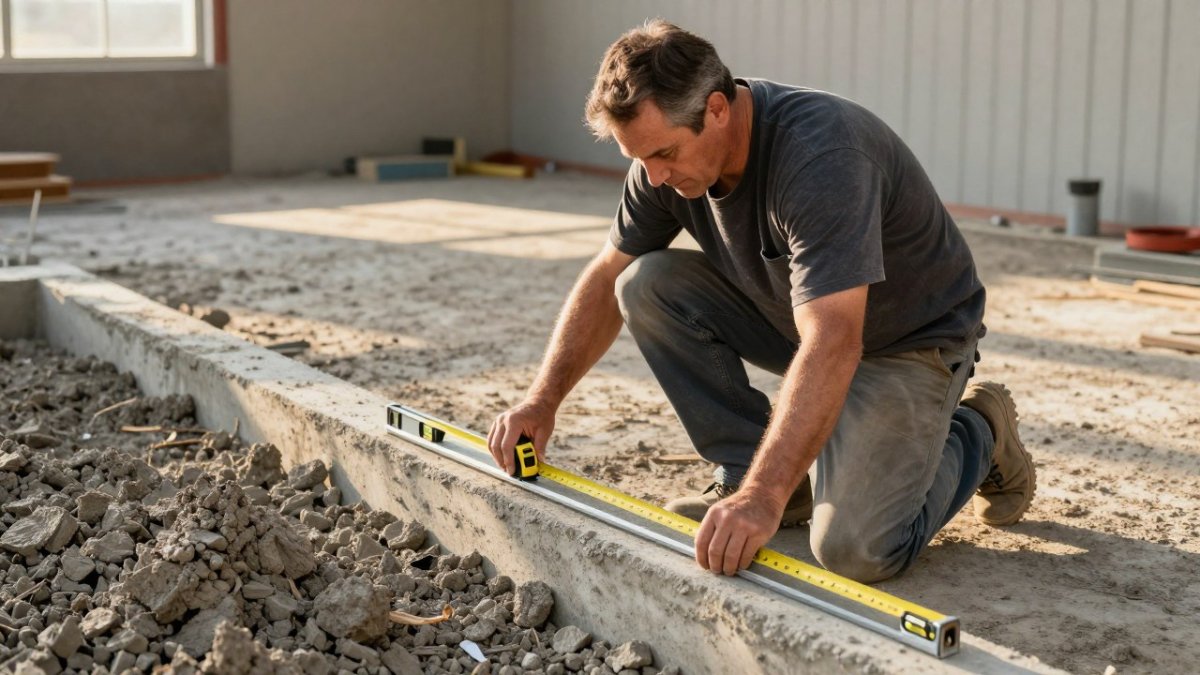
Before a single nail is driven, the site must be ready. Land cost is separate from construction cost, but site preparation is part of your build budget. This includes excavation, grading, drainage systems, utility connections, and foundation preparation.
MBC Homes
Land and lot conditions set the tone for expenses. A flat, accessible lot with stable soil and existing utilities costs far less to prepare than a sloped property with poor drainage, unstable ground, or distant utility lines.
Utilities, drainage, and foundation preparation are where site-specific surprises emerge. If municipal water and sewer lines are far from your property, you'll pay for trenching and connection work. Poor drainage requires engineered solutions, French drains, sump systems, or grading adjustments, that add thousands.
Watch Out The most expensive site surprise is discovering poor soil conditions or high water tables after excavation has begun. Require a geotechnical assessment before committing to your build timeline or budget. The cost of the assessment is trivial compared to mid-project foundation redesigns.
Materials and Labor: Where Your Money Goes
Materials and labor together typically account for 60-70% of your hard construction costs. Understanding how this breaks down helps you identify where value engineering is possible and where cutting corners creates problems.
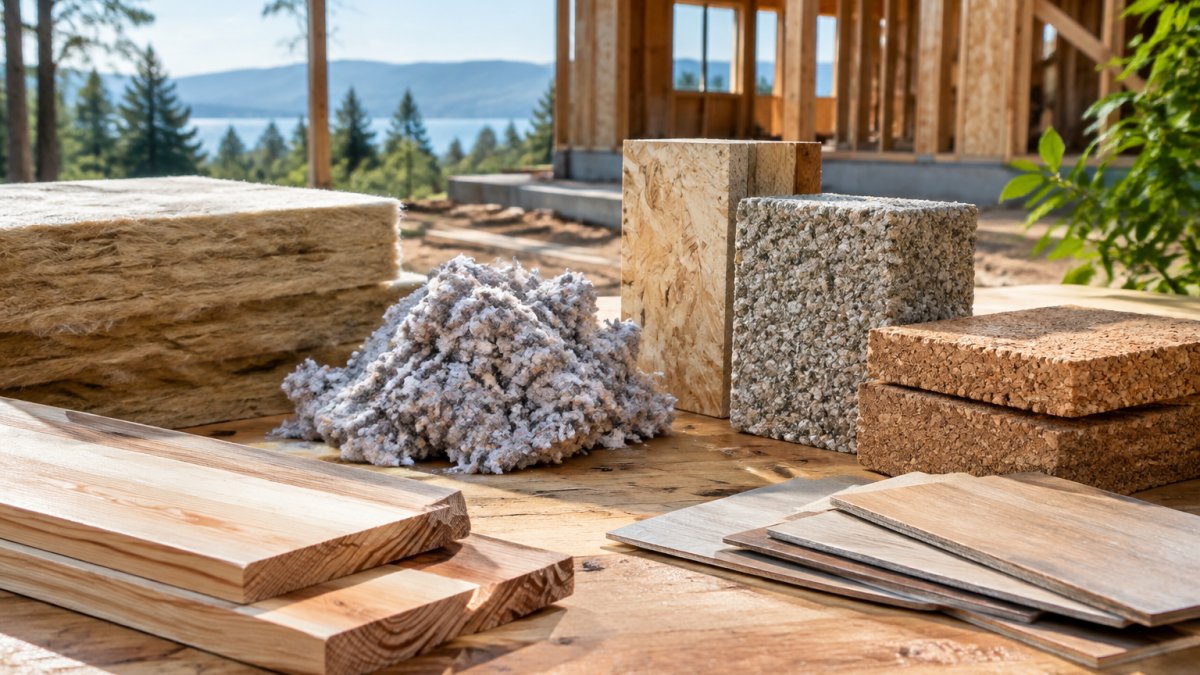
Material costs vary by category. Framing lumber, concrete, roofing, and siding represent the bulk of material expenses. Electrical, plumbing, and HVAC systems come next.

Labor costs depend on trade availability, project complexity, and build timeline.
At Compass Custom Homes, we manage trade relationships directly, which reduces coordination overhead and prevents the cost inflation that comes from miscommunication between independent contractors.
Design Complexity and Architectural Choices
Custom design is what separates a custom home from a production build, and it's also where costs accelerate fastest. Architectural complexity, multiple roof lines, custom geometries, integrated structural features, requires more skilled labor and often demands specialized framing solutions.
How custom design impacts your budget comes down to geometry and systems integration. A simple rectangular footprint with a single roof pitch is fast and cheap to frame. Vaulted ceilings, cathedral spaces, and complex roof intersections require engineered trusses, additional bracing, and specialized carpentry.
Framing systems and structural decisions shape the entire build. Wood stud framing is the standard and most economical choice for most homes. Steel framing allows longer spans and open floor plans but costs more and requires specialized labor.
Key Takeaway The most cost-effective custom homes aren't the simplest ones, they're the ones where design choices align with the structural system and site conditions. Fighting against your lot or your chosen framing system always costs more.
Custom Home Budget Checklist and Cost Factors
A complete line-item budget allocates costs across categories and helps you understand where your money is going.
Soft costs, design, permits, inspections, insurance, usually represent 8-15% of your total project cost. Contingency reserves are not optional; they are essential.
Cost Category | Percentage of Hard Costs | Key Variables |
Framing & Structure | 15-20% | Framing system, roof complexity, spans |
Exterior | 15-20% | Roofing, siding, windows, doors |
Mechanical Systems | 15-20% | HVAC, plumbing, electrical, automation |
Interior Finishes | 25-35% | Cabinetry, flooring, paint, fixtures |
Contingency | 10-15% | Site surprises, design changes, market shifts |
To claim a unique angle, here is a complete line-item budget example for a 2,500-square-foot mid-range custom home in 2026, with assumptions stated. This is illustrative only; your actual costs will vary by region and specification.
A practical all-in budget should also account for taxes (GST/HST where applicable), financing costs, insurance, temporary accommodation if needed, and other carrying costs often omitted from construction-only estimates.
Statistics Canada data on residential construction investment can provide additional context for benchmarking your budget against national trends.
Custom Home Construction Timeline and Carrying Costs
Build phases typically run 12-18 months for a custom home, depending on complexity and site conditions. Foundation and framing take 3-4 months. Mechanical rough-in and interior work take another 4-6 months. Finishes and final inspections take 2-3 months.
Financing, taxes, and carrying costs accumulate during construction. If you're financing the build, you'll pay construction interest (usually higher than permanent mortgage rates) on the outstanding balance. Property taxes continue during construction, even though you're not living in the home.
According to Canada Mortgage and Housing Corporation guidance on construction financing, carrying costs during a typical 15-month build can range significantly based on loan structure, interest rates, and property tax rates. Planning for these costs upfront prevents budget surprises at closing.
Regional Pricing and Cost Variations
Custom home construction costs vary significantly by region, driven by labor availability, material sourcing, land values, and local building codes. Urban areas typically have higher labor costs and stricter code requirements. Rural areas may have lower labor costs but higher material transport costs and longer construction timelines due to trade availability.
Regional variation also reflects market demand. Areas with strong custom home markets have established trade networks, efficient permitting processes, and competitive pricing. Markets with less custom building activity see higher costs due to fewer specialized trades and longer lead times.
Royal Institution of Chartered Surveyors Canada regional construction cost data provides benchmarks for comparing costs across regions, though local builders like Compass Custom Homes have the most current, site-specific pricing information for your area.
Building a custom home is a substantial financial commitment that extends far beyond the construction-only estimate. Our direct relationships with trades, our engineering expertise in foundation and site preparation, and our transparent cost management help families avoid the surprises that derail budgets. Contact us for a detailed estimate tailored to your vision and site conditions.
Frequently Asked Questions
What costs are included in a custom home construction budget?
A complete custom home construction budget includes hard costs (framing, materials, labor, mechanical systems), soft costs (architectural design, engineering, permits), land and site preparation, utilities and drainage, contingency reserves, and carrying costs like financing interest and property taxes during construction. Understanding which costs fall into each category helps you anticipate the total investment required.
How much should I set aside for unexpected construction costs?
Most builders recommend a contingency reserve of 10-15% of your total construction budget to cover unforeseen site conditions, material price fluctuations, or design changes. For a $500,000 build, that means $50,000-$75,000 in reserve. Site conditions such as poor soil, rock excavation, or utility relocations are common triggers for overruns, so discuss these risks with your builder upfront.
How does custom home building cost per square foot vary by region?
Custom home building costs vary significantly by region based on labor availability, material transportation, local building codes, and market demand. Urban areas typically cost more per square foot than rural regions. Regional differences can account for 20-40% variation in total project cost, so obtaining quotes from local builders familiar with your area's specific conditions is essential.
What is the cheapest way to build a custom home without cutting corners?
Focus on value-engineering decisions: choose a simpler floor plan with fewer angles and transitions, standardize material selections across the home, use production-style framing rather than custom structural systems, and plan the construction timeline to avoid seasonal delays. Working with an experienced builder who has established relationships with trades can reduce labor costs through efficient coordination without sacrificing quality.
How long does a custom home build typically take?
A typical custom home construction timeline ranges from 12-18 months, depending on size, complexity, and site conditions. Phases include site preparation and foundation (2-3 months), framing and structural work (2-3 months), mechanical and electrical systems (1-2 months), finishing and interior work (2-3 months), and final inspections and landscaping (1-2 months). Delays in permits, material delivery, or unforeseen site issues can extend the timeline.
Which features have the biggest impact on custom home building costs?
The largest cost drivers are square footage, number of stories, design complexity, finish level, and site conditions. High-end finishes, custom architectural elements, and premium material selections can increase costs significantly. Additionally, challenging lot conditions requiring extensive excavation, drainage solutions, or utility work can substantially impact your budget. Prioritizing which features matter most helps control overall expenses.
How do I know if my custom home builder is properly licensed and protected?
Verify that your builder holds an HCRA (Home Builders Regulatory Authority) license and is registered with Ontario Tarion warranty program. These credentials ensure the builder meets industry standards, carries proper insurance, and provides warranty protection on structural and major systems. Always request proof of current licensing and ask about their track record with previous clients before committing.
Contact
Add compasscustomhomes.ca as a preferred source on Google →
Comments