How Do You Plan a Custom Home Site Visit?
Last Updated: November 1, 2026
Quick Summary
A custom home site visit should be planned with clear goals and a written checklist covering slope, drainage, access and utilities. Book a weekday visit with your builder, bring your house plan, and prepare questions on soil testing, drainage responsibility and inspections.
Set specific, measurable goals before the visit, such as confirming the building footprint and grade at the rear of the lot.
Build a checklist covering grade, drainage, equipment access, utility locations, trees and neighbouring properties.
Verify the builder's licence using the official HCRA lookup before the visit.
Ask the builder how soil is tested and who is responsible for site drainage.
Wear sturdy footwear, stay behind barriers and avoid open excavations during the visit.
Table of Contents
Planning a custom home site visit is the step most homeowners rush, and it is often the one that saves them the most money. A well-planned visit lets you see the lot, ask the hard questions and spot problems before any contract is signed.
Many homeowners walk a lot once, nod at the view and move on. A planned visit gives you a clear list of goals and a plan to check each one. That is the difference between a tour and a real assessment.
Confirm the lot's slope, drainage and soil conditions
Check access for trucks, excavators and delivery vehicles
Note nearby utilities, easements and neighbouring structures
Compare the site against your house plan
Watch out: Skipping the visit to save time often means discovering rock, poor drainage or a utility line after you have already committed to a design.
Step 1: Confirm the Visit and Set Clear Goals
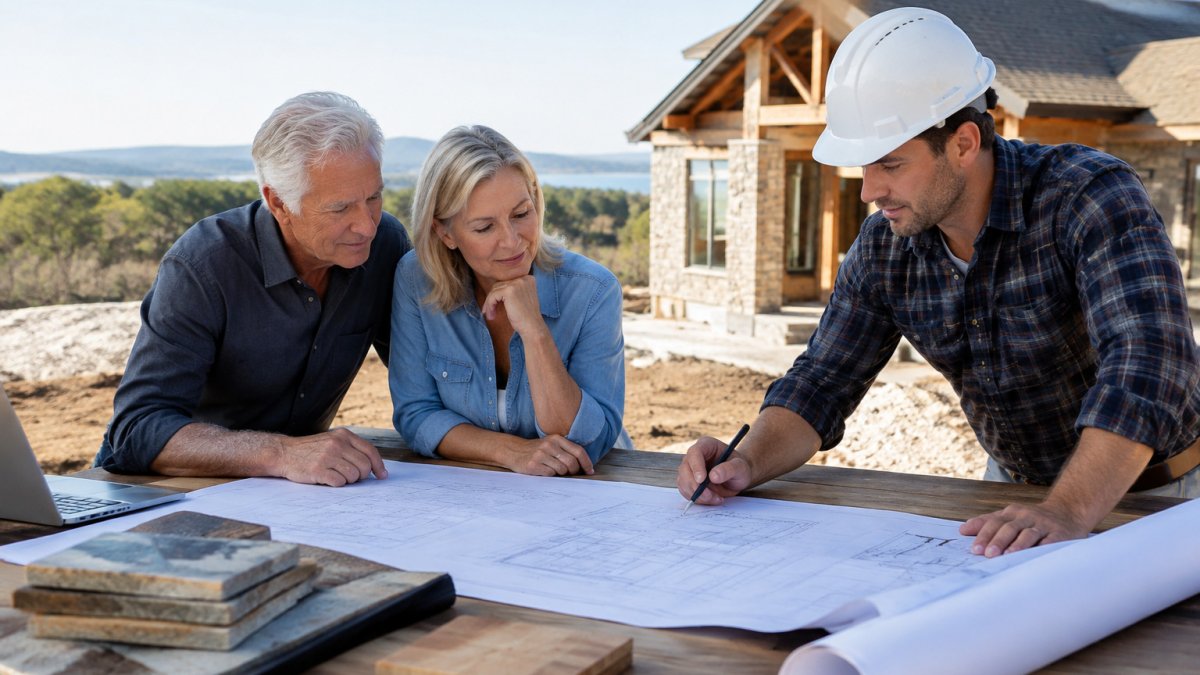
Start by booking a time with your builder and deciding what you need to learn. A short written list keeps the visit focused.
Set goals that are specific and measurable. Examples include confirming the building footprint, checking the grade at the rear of the lot and agreeing on who handles site access permits.
Choose a weekday visit when the site is accessible
Bring your preferred house plan or sketches
Agree on who will attend from your side and from the builder's
Ask for a site walk with the foundation lead if possible
If you are still choosing a layout, read How to Choose a Custom House Plan in Ontario: 7 Steps before you confirm the visit, so you arrive with a clear design direction.
Step 2: Build Your Custom Home Site Visit Checklist
A checklist turns a walk into a structured review. Build it around the areas that most often cause cost overruns: soil, drainage, access and utilities. Each item should have a yes, no or needs-follow-up answer.

Include these core items:
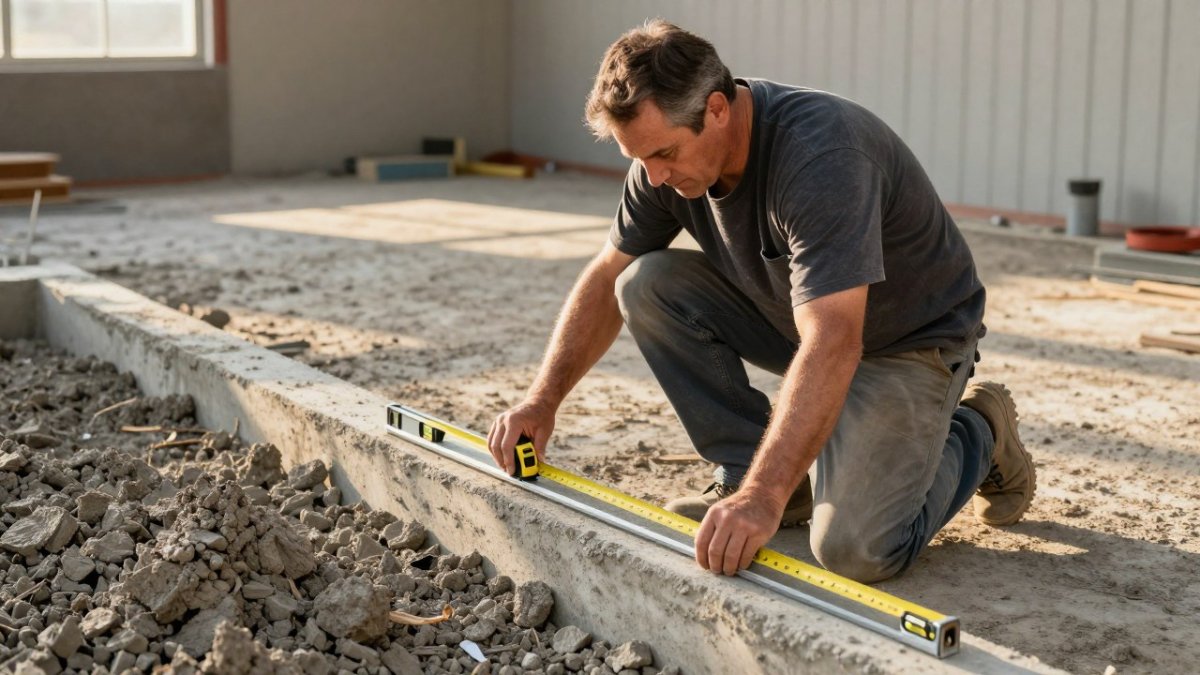
Grade and slope across the building area
Visible drainage paths and low spots
Access routes for heavy equipment
Locations of hydro, gas, water and sewer connections
Trees to keep or remove, and their root zones
Neighbouring properties close to the work area
Note that custom home site visit checklist needs are different for each lot, so adapt the list to the land in front of you.
Step 3: Prepare Your Questions for the Builder
The builder is your main source of technical answers, so prepare questions in advance. Focus on how they will handle unknowns, not just on the finished look of the home. Ask how they plan to manage foundation work, drainage and inspections.
Verify the builder's licensing before the visit, using the official HCRA licence lookup (Ontario Builder Directory).
How do you test soil before finalizing the foundation design?
Who is responsible for site drainage during and after construction?
How will you keep me informed of schedule changes?
What inspections happen at each stage?
Who is my single point of contact on site?
Step 4: Follow Home Construction Site Visit Safety Rules
A construction site is hazardous even when no work is underway. Wear closed-toe boots, a hard hat if the builder provides one, and high-visibility clothing. Stay behind barriers and never walk into open excavations or trenches. Maintaining this level of vigilance is essential for every construction site inspection to ensure that your walkthrough remains both productive and safe.
Keep children and pets away from the site. Ask the builder to point out any unstable ground, buried services or areas that are restricted that day. Follow their instructions at all times.
Wear sturdy footwear and a hard hat when required
Stay clear of excavations, trenches and equipment
Avoid walking on loose soil near slopes
Leave the site immediately if you smell gas or see damaged lines
Watch out: Many people walk onto unfinished framing or open foundations for a better view. Stay on the marked path.
Step 5: Complete Your Custom Home Consultation Preparation
After the visit, review your notes and close any gaps. Compare what you saw with your original goals and your checklist. Write down any issue that still needs an answer before you sign a contract.
Use this time to finish your custom home consultation preparation. Gather your budget notes and questions. Pricing depends on the scope of your project, so contact Compass Custom Homes for a site-specific quote.
Many homeowners also benefit from understanding where budgets usually go wrong. Reading How to Avoid Custom Home Budget Surprises before your consultation helps you ask better questions about rock, utilities and contingency funds.
Visit Item | What to Confirm | Follow-Up Needed |
Grade and drainage | Slope, low spots | Survey or grading plan |
Access | Truck and equipment routes | Temporary access plan |
Utilities | Service locations | Locate request |
Soil | Bearing capacity | Geotechnical report |
Booking Your Next Step With Compass Custom Homes
Once your visit goals, checklist and questions are ready, the next step is to talk with the team. Compass Custom Homes can answer your questions about the build process. Contact Compass Custom Homes to book your site visit and get your questions answered.
Frequently Asked Questions
What should I bring to a custom home site visit?
Bring a notebook or tablet, a tape measure, a copy of your wish list and the lot survey if you have one, plus a camera or phone for photos. Sturdy closed-toe boots and weather-appropriate layers are essential, since most lots are muddy or uneven. Bring a list of questions and any sketches or inspiration photos so you can point to exactly what you mean. Keep your budget and timeline notes handy so the builder can respond to your real priorities during the walkthrough.
What should I look for during a home construction site visit?
Look at drainage and grading, since water should move away from where the foundation will sit. Check access for trucks and equipment, the position of existing trees, and any signs of rock, wet soil or old fill. Ask where utilities such as hydro, gas, water and sewer connect to the lot, and whether any relocations are likely. Note the orientation of the sun and views, because these affect the final layout as much as the floor plan does.
How long does a construction site visit usually take?
Plan for one to two hours for a first walkthrough, longer if the lot is large or includes a sloped or wooded area. Allow extra time for a second visit once the survey and preliminary site plan are ready. Visits on an active build may be shorter because of work underway. Schedule the visit when you are not rushed, so you can ask questions without watching the clock.
How do I prepare for a meeting with a custom home builder?
Write down your must-haves, nice-to-haves and deal-breakers before the meeting, and note your rough budget range and target move-in date. Gather any inspiration photos, floor plan ideas and a list of how you will use each space. Confirm who from the builder's team will attend and what documents they will bring. A prepared list of questions, covered in the section above, will help you compare builders on the same terms.
Comments